

Crispy Duck Breast with Irish Whiskey and Redcurrant Sauce

Golden, crackling duck skin deserves a sauce that sharpens the richness rather than covering it up. A little redcurrant jelly, thyme and a spoonful of Irish whiskey bring a sweet-sour finish to this dinner for two, with no flambé or elaborate stock-making. The secret is patience: start the breasts in a cold pan, give the fat time to render, then finish in the oven. Serve with roast potatoes and green beans, and spoon the glossy sauce beside the duck so the skin stays crisp. It feels like a special-occasion meal without an entire afternoon in the kitchen.
At a glance
Serves 2 • Preparation 10 minutes • Cooking 30–40 minutes • Resting 5–10 minutes (overlaps with sauce) • Total about 45–60 minutes. Moderate difficulty. Equipment: heavy ovenproof frying pan or frying pan and roasting tray, clean food thermometer, tongs, small heatproof bowl, sharp knife, measuring spoons.
In this recipe
Summarise this recipe with AI
Ingredients
For the duck: 2 skin-on boneless duck breasts, approximately 180–220g each (6–8oz); fine salt and freshly ground black pepper.
For the sauce: 1 small shallot, finely chopped; 1 teaspoon reserved duck fat; 150ml (about ⅔ US cup) low-salt chicken stock; 15ml (1 tablespoon) Irish whiskey, optional; 25g (about 1½ tablespoons) redcurrant jelly; 2 sprigs fresh thyme; 1 teaspoon cider vinegar, plus more to taste; 10g (about 2 teaspoons) cold unsalted butter; optional 25g fresh or frozen redcurrants.
To serve: roast baby potatoes and cooked green beans, or mashed potatoes and steamed greens. Prepare the sides separately and allow extra time if needed. You do not need an expensive whiskey for the sauce.
How to cook duck breast with crisp skin
Step 1: Prepare the duck. Preheat the oven to 200°C (180°C fan, 400°F, gas 6). Pat the breasts dry with kitchen paper. Make shallow diagonal cuts through the skin and surface fat, then repeat in the opposite direction. Stop before reaching the flesh. Season both sides. Keep raw duck away from ready-to-eat ingredients and wash hands, knife and board afterwards.
Step 2: Render the fat. Lay the breasts skin-side down in a cold, dry frying pan. Set over medium-low heat and cook for around 10–14 minutes. The fat should gradually melt and the skin become evenly golden. Carefully spoon excess hot fat into a heatproof bowl as it collects, reserving a teaspoon for the sauce. If the pan smokes or the skin darkens rapidly, lower the heat. Turn the breasts over for about one minute.
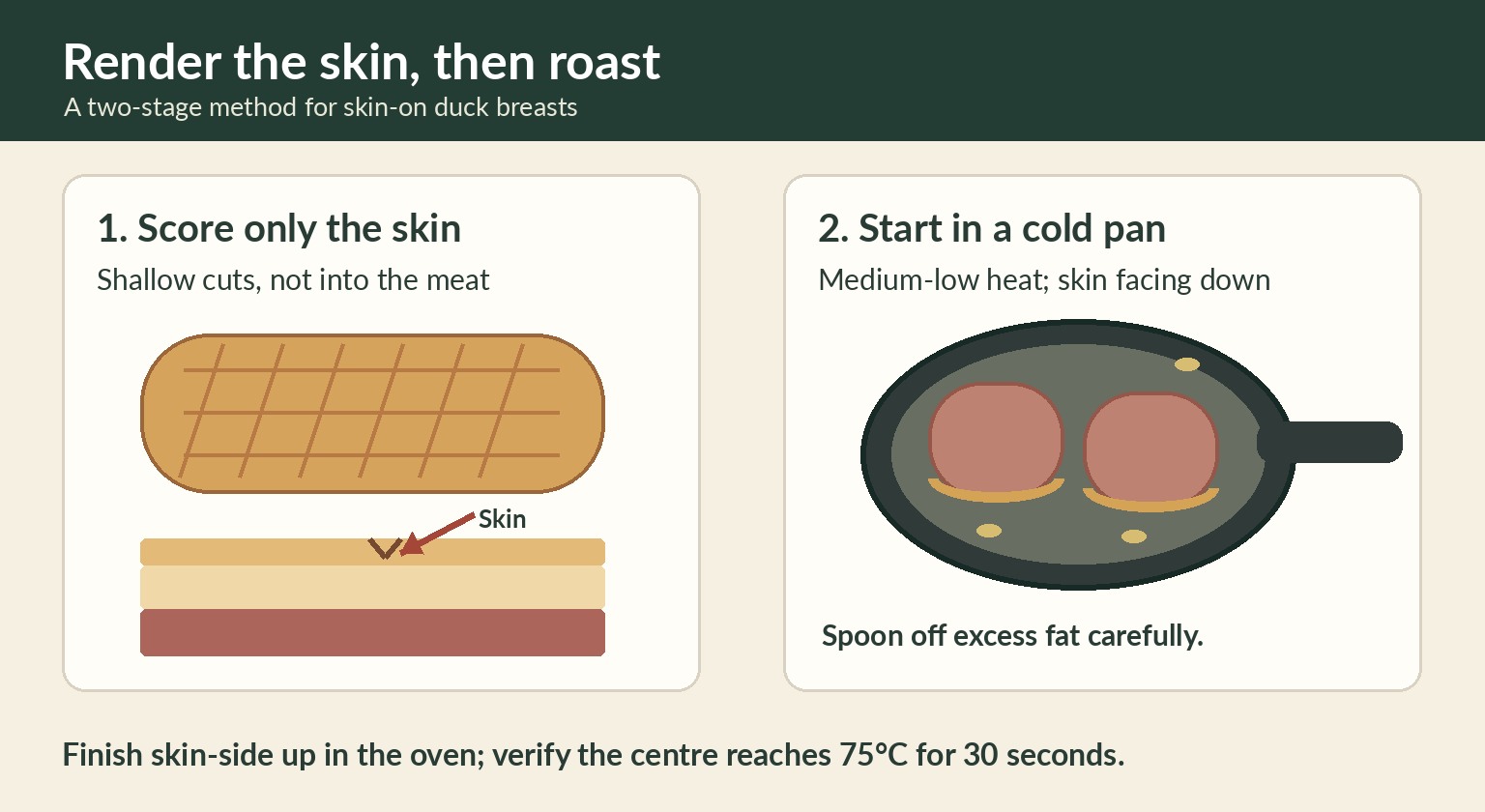
Figure 1. Score the skin and start in a cold pan. The diagram shows the shallow skin cuts and the skin-down rendering stage.
Step 3: Roast until safely cooked. Transfer the breasts to an ovenproof pan or roasting tray, skin-side up. Roast for approximately 15–22 minutes, starting to check the centre after 12 minutes because thickness varies. UK government guidance is to cook duck through: a core temperature of 75°C maintained for 30 seconds, or 70°C for two minutes, is a safe target. Use a clean probe in the thickest part and continue cooking if necessary. The meat should be steaming hot throughout, with no pink meat or bloody juices. Do not rely on colour or oven time alone.
Step 4: Rest before slicing. Transfer the cooked breasts to a clean warm plate or board, skin facing up. Rest for 5–10 minutes while you prepare the sauce. Avoid tightly wrapping the skin in foil, which traps steam. Save any resting juices for the sauce and use a clean knife when carving.
Step 5: Make the redcurrant sauce. Pour excess fat from the frying pan, leaving a teaspoon. Soften the shallot and thyme over medium-low heat for about 3 minutes. Take the pan off the heat before adding the measured whiskey from a small cup, followed by the stock; never pour spirits straight from a bottle into a hot pan. Return to moderate heat, scrape up the browned cooking juices, stir in the jelly and simmer for 5–8 minutes, until reduced to a light spoon-coating consistency. Add the optional redcurrants in the last 2–3 minutes and simmer until hot. Stir in the resting juices, bring briefly back to a simmer, then remove the thyme. Off the heat, whisk in the cold butter and add the vinegar to taste. Do not ignite the sauce.
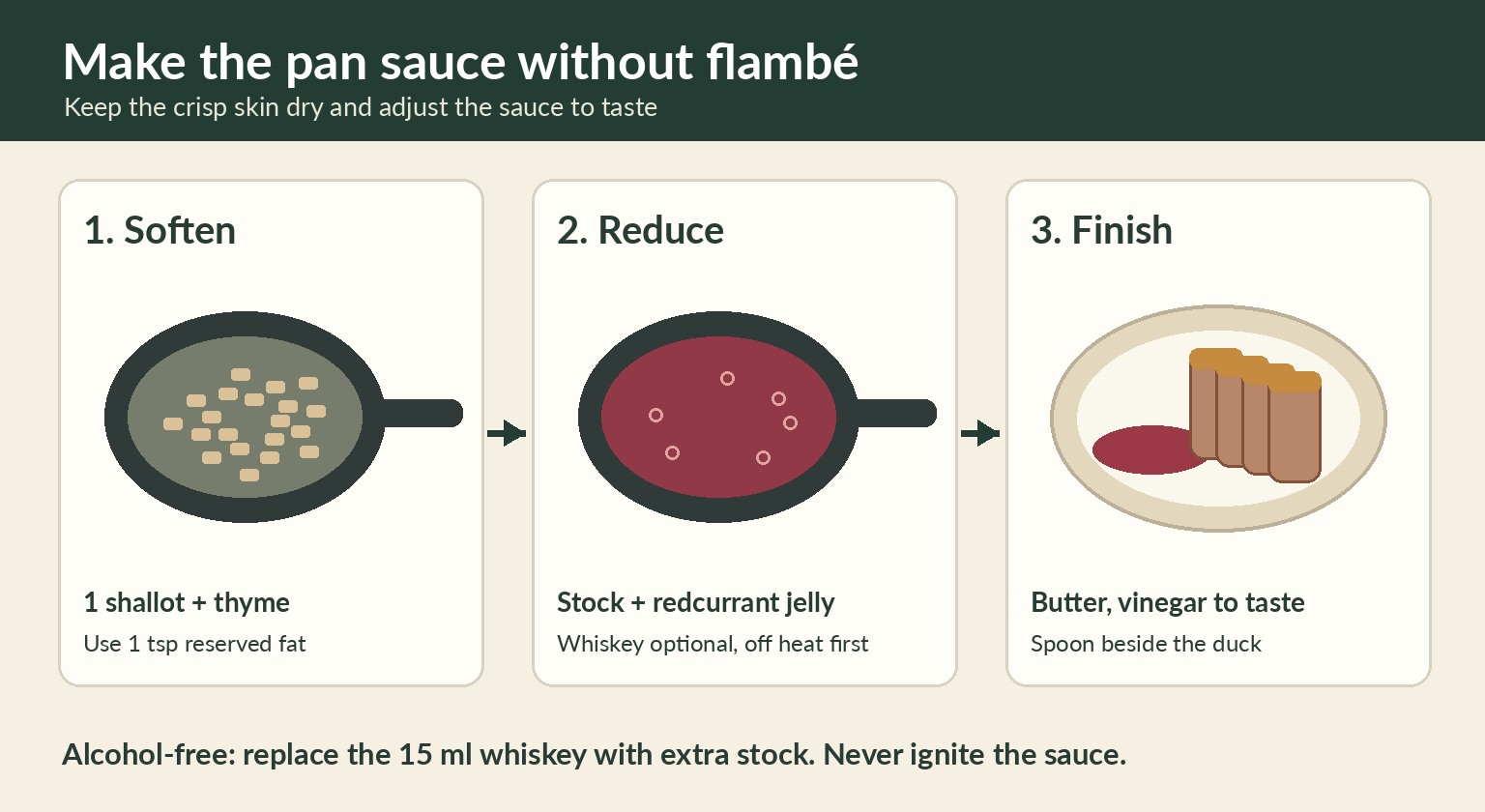
Figure 2. Soften the shallot, reduce the sauce and finish with butter and a little vinegar.
Step 6: Serve. Cut the cooked duck across the grain into thick slices. Arrange with the vegetables and spoon the sauce beside or underneath the meat, leaving the crisp skin uncovered. Serve immediately. The sauce should taste fruity and savoury, with a little brightness from the vinegar, not overwhelmingly sweet.
How to fix the sauce
Too sweet? Stir in a few drops of cider vinegar. Too sharp? Add a little more redcurrant jelly, starting with half a teaspoon. Too thick? Loosen with a tablespoon of warm stock or water. Too thin? Simmer a little longer before adding butter. If the browned pan residue is burnt rather than golden, use a clean saucepan and the reserved duck fat instead; burnt bits will make the sauce bitter.
If your duck skin is still pale after rendering, give it a little more time over moderate heat before roasting. Cooking time is a guide, not a guarantee. Do not shorten the final cooking stage to chase a particular texture.
Which whiskey works with duck and redcurrant?
Try an approachable Irish blend in the sauce and a small optional measure of single pot still Irish whiskey with the meal. Redbreast 12 is a possible pairing: the producer describes fruit, spice, sherry-influenced character and toasted oak, which could echo the tart fruit and savoury roast flavours. This is a suggested match, not a kitchen-tested or tasting-panel result. A lighter unpeated malt is another option if you prefer a gentler contrast.
Alcohol-free version: replace the 15ml whiskey with another 15ml stock. The redcurrant, thyme and vinegar give the sauce plenty of character on their own. If you need a strictly alcohol-free meal, also check the other ingredient labels and do not serve spirits alongside it. Simmering a whiskey sauce does not guarantee that all alcohol has evaporated. Serve water, sparkling apple juice or an unsweetened sparkling water as alternatives. Alcohol is optional and only for adults of legal drinking age; never drink before driving.
Storage, reheating and allergens
Refrigerate any cooked leftovers within two hours in covered shallow containers, at 5°C or below. Eat within 48 hours or freeze promptly. Reheat only once, until steaming hot throughout. The sauce can be stored separately; the crisp skin is best served freshly cooked. Store raw duck according to the pack instructions and do not wash it. Keep cooked food away from raw meat and its juices.
Allergens: butter contains milk. Stock can contain celery, wheat or other allergens; check stock, jelly and vinegar labels for their actual ingredients. Use a suitable dairy-free butter alternative or omit butter if required. The recipe is a Whisky Clan adaptation of a familiar British and Irish restaurant-style combination, not a claim about a historic regional formula.
Frequently asked questions
Can I cook duck breast without an oven?
Yes, but use a suitable covered pan and adjust heat and timing so the core meets the same safe temperature and time guidance. A thermometer matters more than the suggested timings.
Why start with a cold frying pan?
Gradual heating gives the fat beneath the skin more time to render before the surface becomes too dark. The aim is thin, crisp skin and less excess fat.
Can I use fresh redcurrants instead of jelly?
You can use fresh or frozen fruit, but it is tarter and lacks the sweetness and pectin of jelly. For this particular sauce, begin with the jelly as specified and add the optional fruit for texture. If making a fruit-only version, adjust sweetness and thickness gradually.
Does the whiskey cook out?
Not necessarily. A brief simmer does not guarantee alcohol removal. Replace the whiskey with stock if avoiding alcohol entirely.
Can I make the sauce ahead?
Yes. Prepare and reduce the stock, shallot, thyme and jelly mixture, cool it promptly and refrigerate within two hours. Reheat once until steaming hot, then whisk in the butter just before serving. Add freshly cooked duck resting juices only if you bring the sauce back to a simmer.
More from Whisky Clan
Sources and artwork credits
Read the sources and artwork credits
Gressingham, duck breast with redcurrant gravy (method reference)
Dairy Diary, duck with red wine and redcurrant sauce (sauce comparison)
UK government, cooking food safely
Food Standards Agency, storage and reheating guidance
Redbreast 12 producer tasting description
Original Whisky Clan painterly food illustration and two original instructional diagrams, not photographs of a physically tested recipe. Cover carries a source-derived unchanged approved Whisky Clan Logo 2 emblem and separate FJ initials. The recipe is an original formulation based on researched methods; it has not been physically kitchen-tested.


Comments