
Irish Whiskey's Creative Flair, New Finishes and Expanded Horizons


Irish whiskey continues to evolve with bold ideas, new cask finishes and growing international influence. What was once a category defined by tradition alone is now known for creativity, experimentation and a new generation of distillers who enjoy pushing boundaries.
Irish whiskey is currently experiencing one of its strongest global moments. Sales keep climbing, distilleries continue to open and consumers are more curious than ever. This mix of heritage and modern flair makes the new wave of Irish whiskey especially exciting.
Innovative Cask Finishes, More Creative Thinking

McConnell’s has attracted attention with its rare Cognac Cask Finish. It brings smooth Irish spirit together with rich fruit, oak and warmth from French Cognac wood. This style of maturation adds depth without overpowering the spirit. It is an interesting direction for a brand with historic roots.
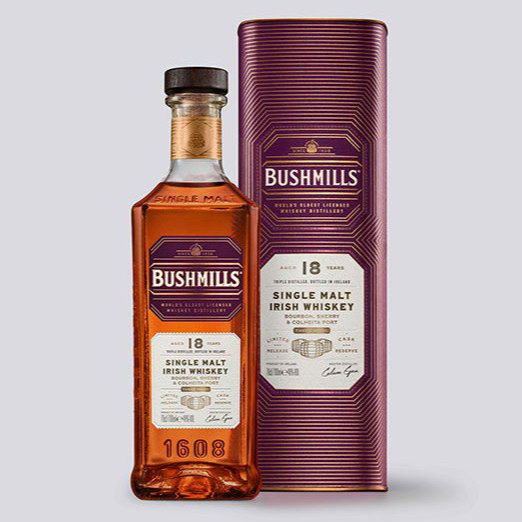
Bushmills has also expanded its World Wood Series. Their 18 Year Old Single Malt finished in Colheita Port casks shows how Irish whiskey can benefit from world wine influence. Colheita Port is known for deep berry sweetness, chocolate, raisin and spice. Combined with aged Irish malt it becomes a luxurious and layered experience.
These releases reinforce the trend of distillers exploring more global cask options. Beyond sherry and bourbon you now see Cognac, Marsala, Port, rum and even tequila casks appearing across the market.
Rising Brands and Growing Market Presence
Clonakilty Distillery is a strong example of Ireland’s new generation of producers. Their expansion into the UK shows how consumer demand for Irish whiskey continues to grow. Many independent distilleries are now stepping into international markets earlier than ever, confident in the quality and uniqueness of their liquid.
The diversity of new Irish whiskey brands also helps the entire category. More styles, more finishes and more stories mean more reasons for drinkers to explore.
Irish Whiskey Tourism Keeps Growing
Ireland is becoming a major destination for whiskey lovers. Distillery tours, coastal tastings, festival events and immersive visitor centres all play a role in the industry’s rise.
Experiences like Cork harbour whiskey tastings allow visitors to enjoy local stories, maritime influence and a relaxed introduction to both classic and new expressions. These events support local tourism while strengthening the identity of Ireland as a world class whiskey nation.
Other Trends Worth Mentioning
• More pot still whiskey returning to the spotlight, Ireland’s signature style
• Sustainable production methods gaining traction across distilleries
• Increased interest in cask share clubs and private cask ownership
• Independent bottlers releasing rare Irish whiskey expressions
• Younger consumers discovering Irish whiskey through cocktails and highballs
• Major investment from global drinks groups which boosts innovation and production capacity
All these factors combine to create a thriving, forward thinking Irish whiskey landscape.
Frequently Asked Questions About Irish Whiskey
What makes Irish whiskey different from Scotch?
Irish whiskey is usually triple distilled which creates a smoother and lighter character. It often uses malted and unmalted barley. Scotch is usually double distilled and can be more robust, especially in smoky styles.
What is single pot still whiskey?
It is a traditional Irish style made from a mix of malted and unmalted barley distilled in copper pot stills. It creates a creamy, spicy and full bodied flavour profile unique to Ireland.
Why are cask finishes becoming more popular?
Consumers want variety and distillers want to express creativity. Finishing whiskey in different cask types like Port, Cognac, rum or Madeira adds new layers of flavour and makes each release more distinctive.
Is Irish whiskey good for beginners?
Yes. Many Irish whiskeys are smooth, approachable and easy to enjoy neat or in cocktails. It is a great starting point for people who find Scotch too smoky or intense.
What are the most common Irish whiskey cask types?
Bourbon and sherry casks are the classics. The modern wave includes wine casks, Cognac, rum, Marsala, stout and IPA finishes.
Which Irish distilleries are worth watching right now?
Bushmills, Midleton, Teeling, Clonakilty, Dingle, Waterford and McConnell’s are consistently innovating and gaining global attention.
Why is Irish whiskey growing so fast?
Combination of heritage, smooth flavour profile, global investment, tourism and a strong appetite for creative new releases.
Can Irish whiskey be peated?
Yes. While not as common as in Scotland there are peated Irish expressions. Examples can be found from brands like Connemara and newer experimental releases.
How should Irish whiskey be enjoyed?
Neat, with a few drops of water, over ice or in cocktails. Highballs, Irish coffees and whiskey sours work especially well.


Comments